
— and Still I Push the Stone

This installation stages the moment a leaf lets go of its branch — a gesture that holds both loss and promise. The wire traces the leaf’s downward path, while the clay leaves are caught mid-air, frozen between life and decay. Beneath them, a mound of coal embodies the destiny of those leaves after millennia of burial and pressure: organic matter reborn as fuel.
The work is not merely elegiac but cyclical. The falling leaf is not only death but also the first step toward transformation — from life into matter, matter into energy, energy into new life. It is a quiet meditation on how every end carries within it the seed of another beginning.
This piece also becomes a conceptual origin for my later works using coal, leaves, and trees as recurring motifs, grounding my practice in the tension between fragility and continuity, between mortality and regeneration.
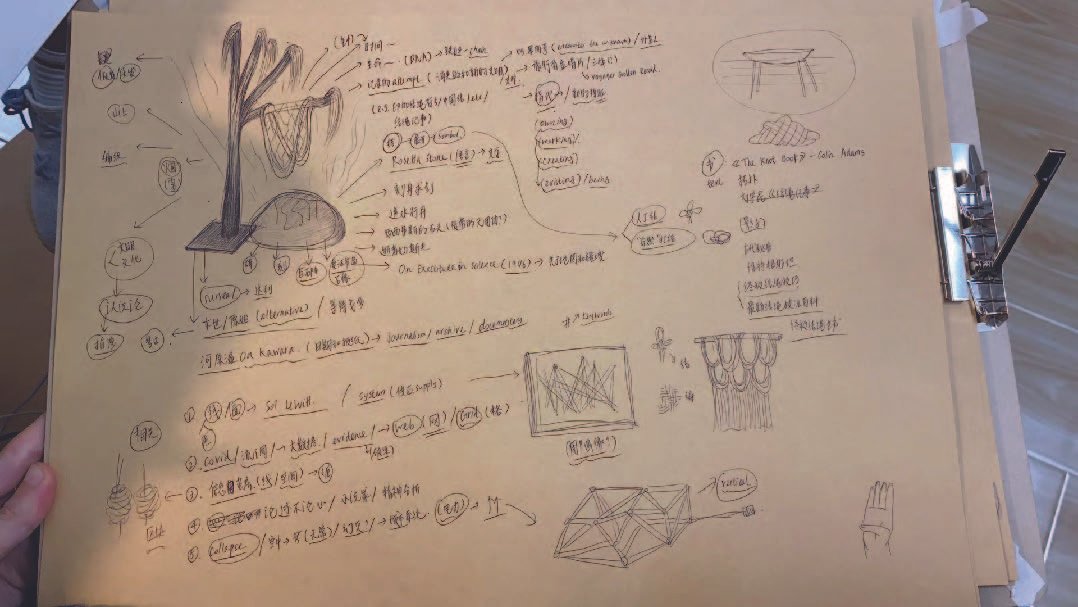
Here the entire ecosystem of the work is visible: tree + stone + smoke + knots + handprints. My notes link Sisyphus (labor), Dali (soft time), and the faint smoke that refuses to be captured — my metaphor for the impossibility of total documentation. These pages remind me that the work was always meant to be lived, not just shown: a tree to sit under, a stone to push, a corner to linger in.
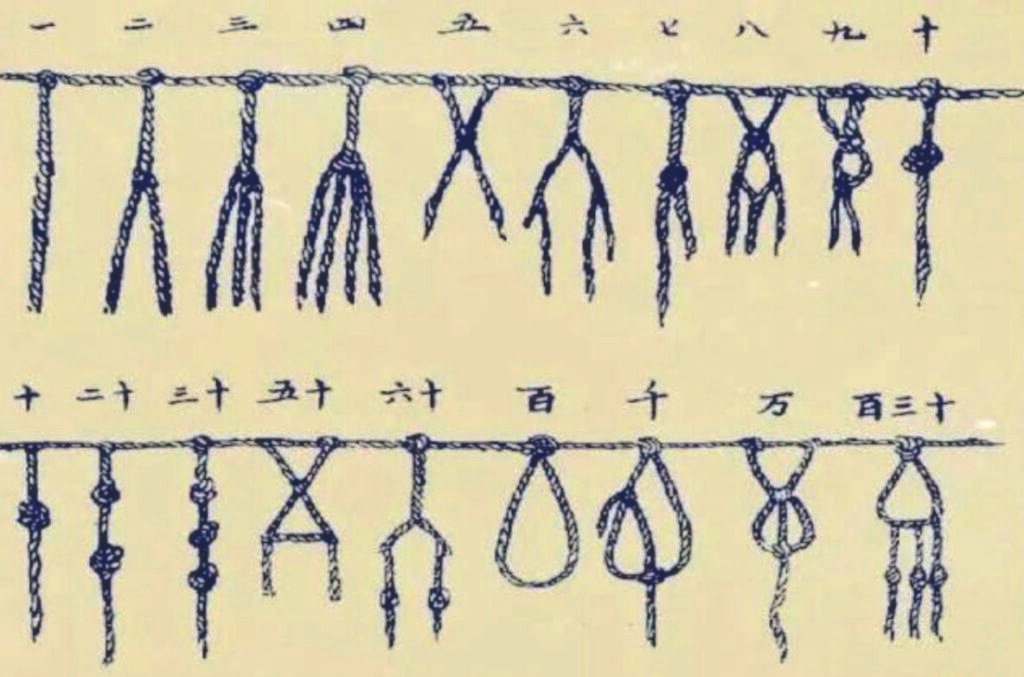

Archival reference; conceptual seed for my time-web canopy. Material relevance: inspires me to treat knots as temporal glyphs rather than decoration.
Each knot becomes a unit of time, embodying memory and ritual.
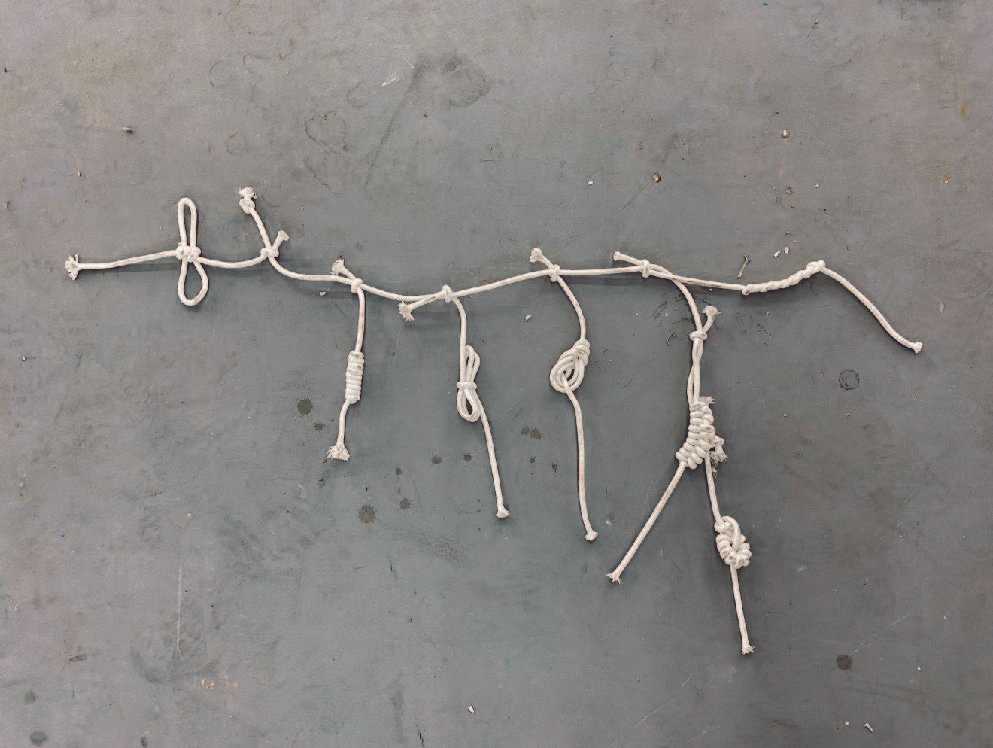
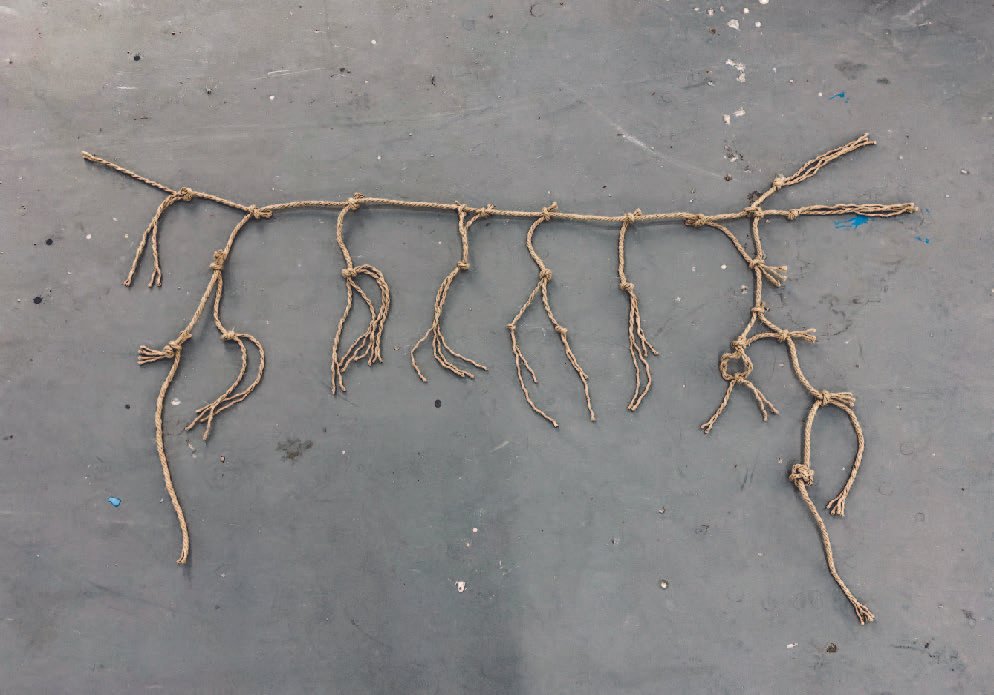
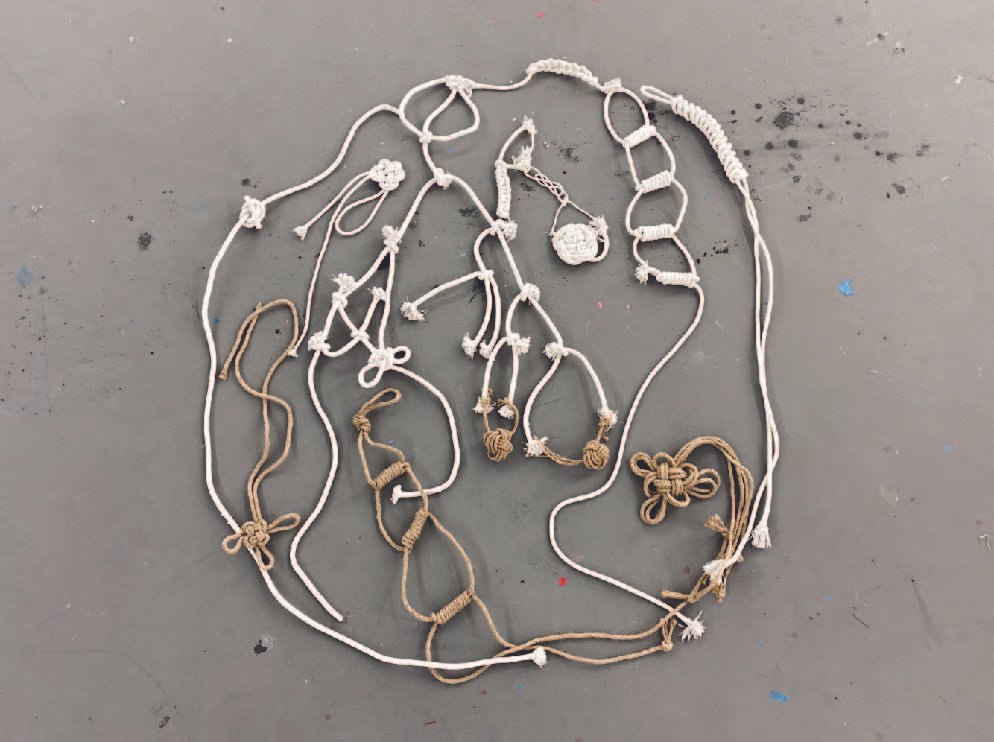
Used to test material transition & symbolic closure. This circle is the rehearsal for eternity. The challenge was to connect soft cotton and rough jute without breaking the visual flow — to let light and dark, fast and slow, coexist. The circle is also a ritual space: to stand inside it is to be inside the work’s time logic.
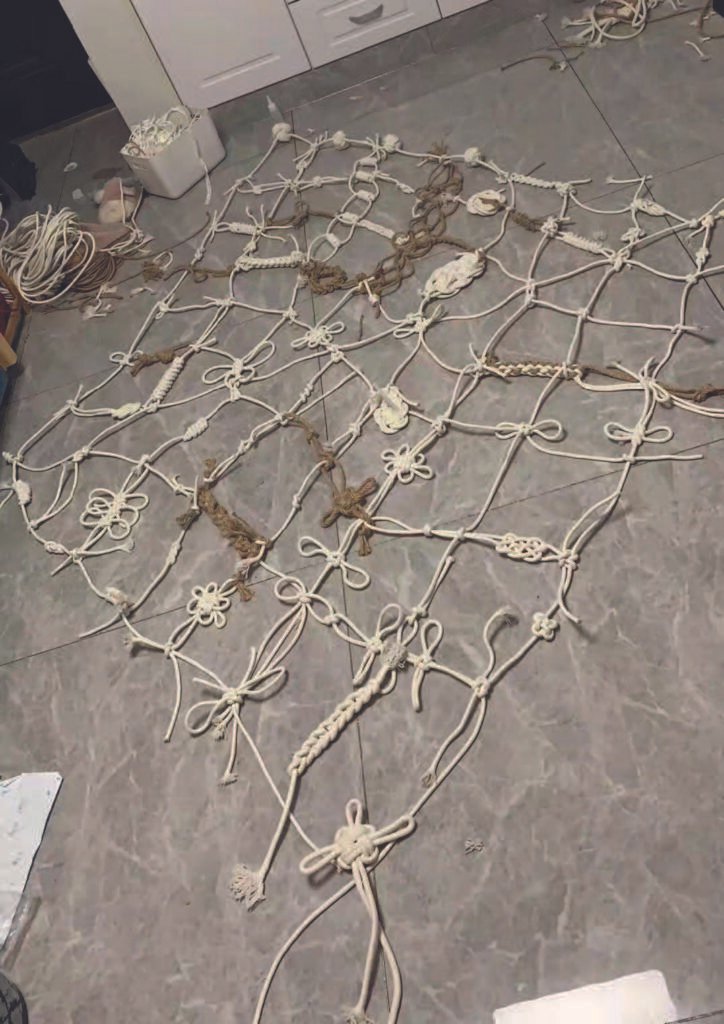
This photograph documents the moment the work became architectural: the web grows across the floor like a nervous system, irregular but alive. I think of each knot as a beat of the heart, each square as a day or memory. The mix of cotton and jute sets up tonal contrasts: lightness and heaviness, softness and age. Laying it on the ground lets gravity choreograph the final shape — I resist over-controlling it so that when it hangs later, it sags like Dali’s melting clock, evoking time’s fragility.
In a time when life is often lived to be recorded — staged for the feed, edited into proof — this work asks the opposite: What if we simply live? What if the real task is to push the stone, to feel its weight, to breathe with the smoke, knowing it will vanish?
This installation concludes not with despair but with a stance: even though the net fails, I choose to keep knotting, keep pushing, keep living. This is my existential response: life is not a spectacle to be preserved but a task to be lived, every second an act of resistance against nihilism.
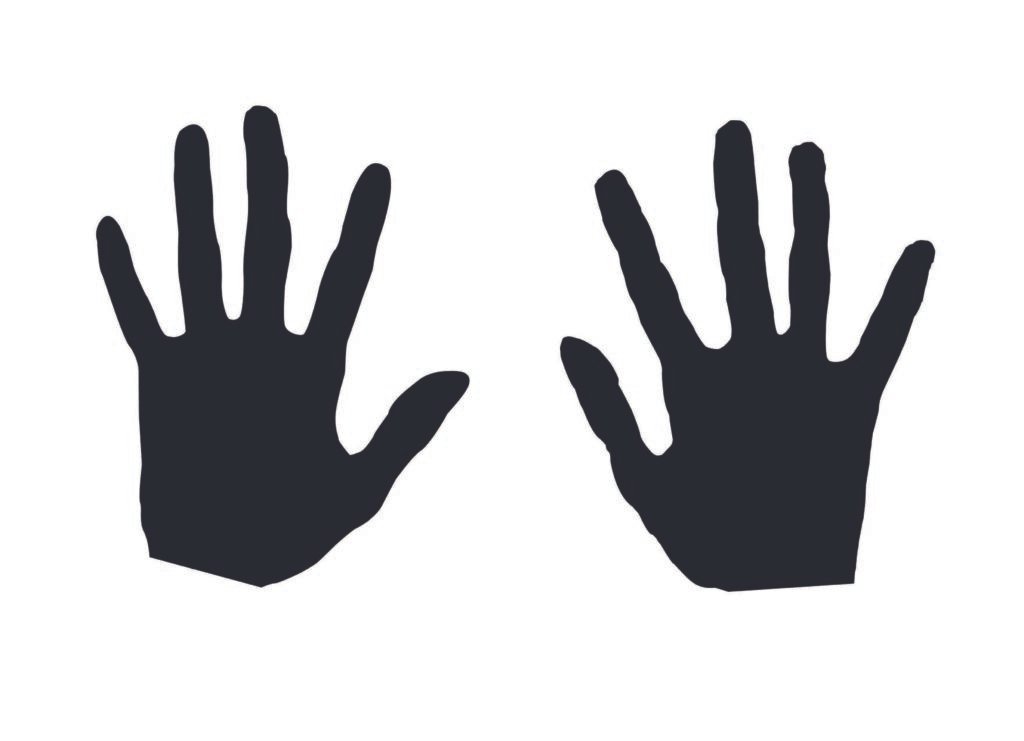
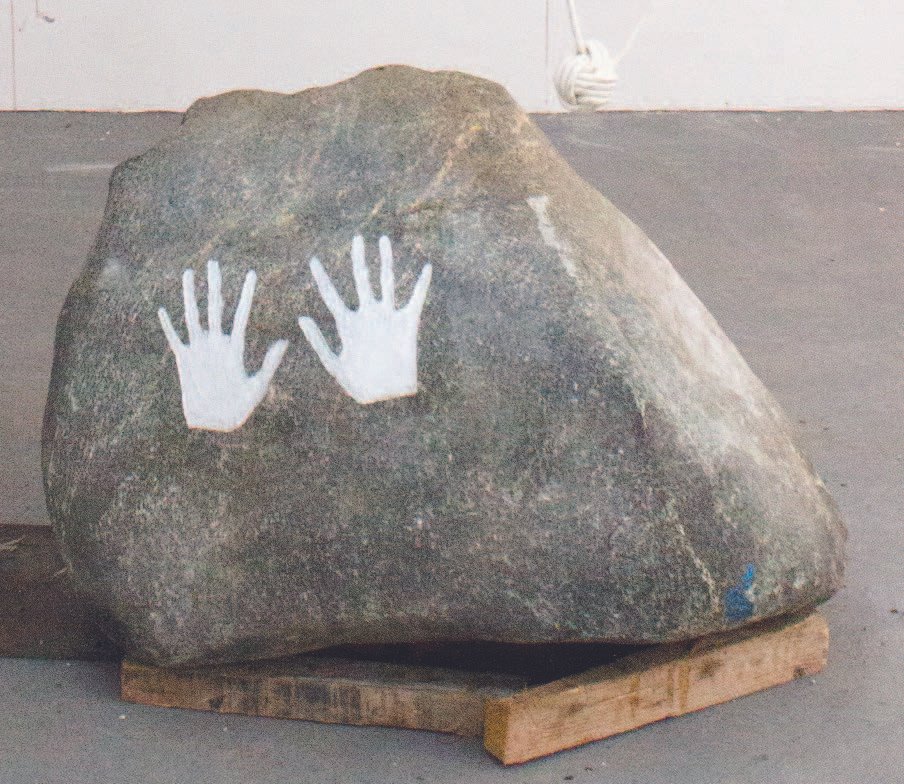
From palm to vector to stone — a translation of the body into material trace.

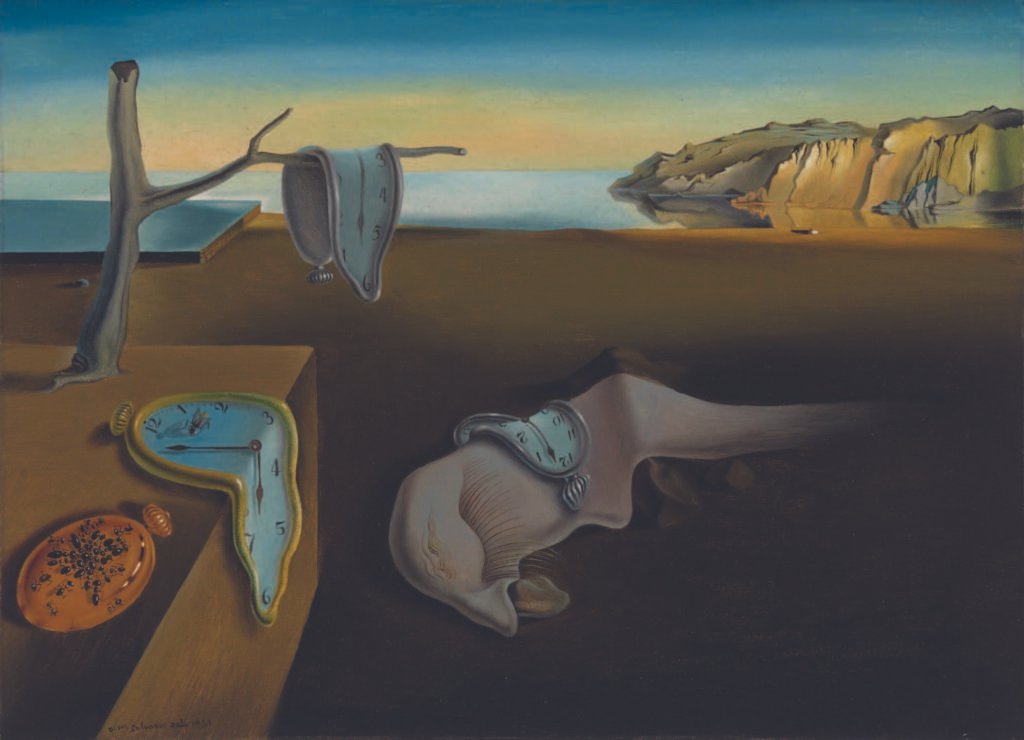
Salvador Dalí – The Persistence of Memory
Connects theatrical emptiness with conceptual installation, inviting viewers into a space of anticipation.
Installation treats time as weight-bearing: knots stretch under gravity, making time visible as physical strain.
Sisyphus Pushing Rock
Viewer touches rather than pushes — futility is turned into intimacy.
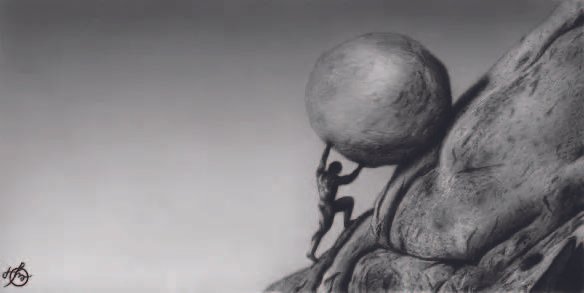
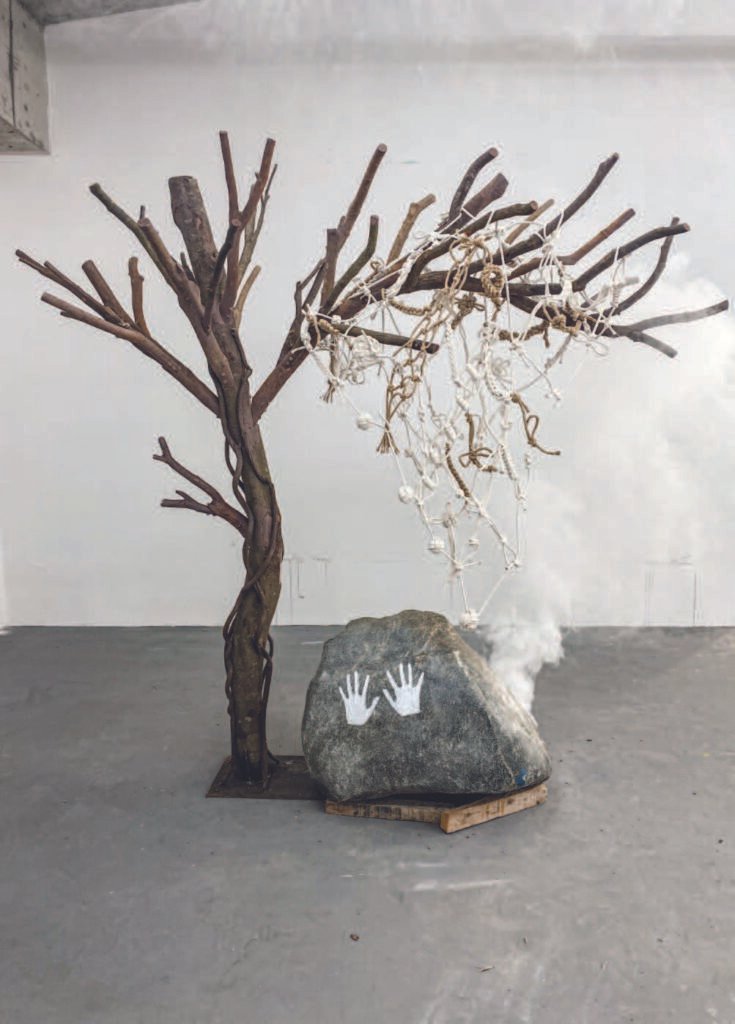
This work gathers a tree of branches, a knotted rope-net, a stone with my handprints, and drifting smoke — four elements that map my meditation on time, memory, and living. The tree recalls the deep-time process of plants turning into coal, suggesting that all life is sedimented time. The knotted net references ancient record-keeping — quipu, knotting — but it sags like Dalí’s melting clocks, signaling that even our systems of memory eventually slacken and fail.
The stone is my Sisyphus: I have pushed it repeatedly, leaving white handprints as small medals of effort. This gesture is not merely symbolic; it is physical labor, grounding me in the present. The smoke drifts upward and slips through the net — a reminder that the most beautiful and poetic moments cannot be archived, captured, or posted.
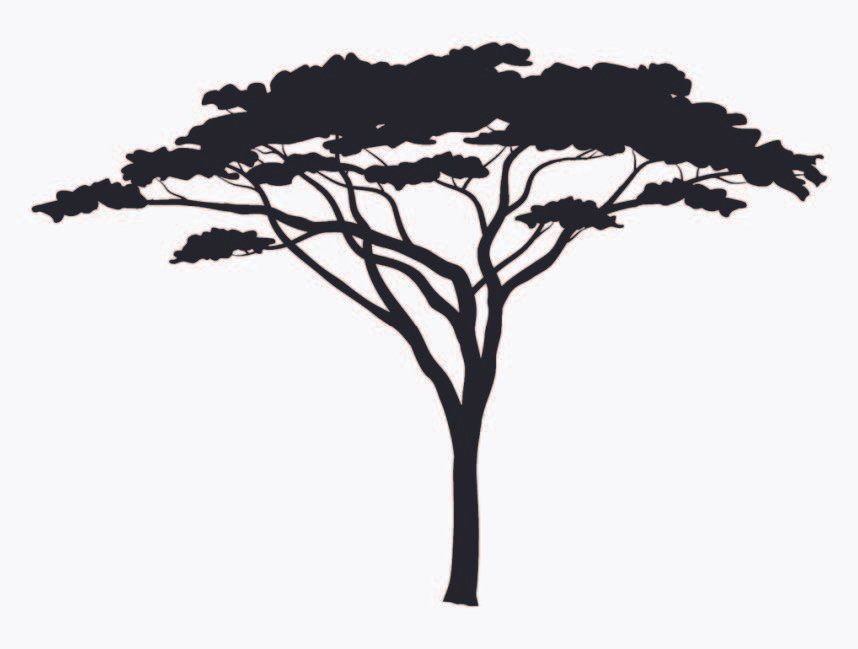
The tree becomes the axis of waiting and meditation.
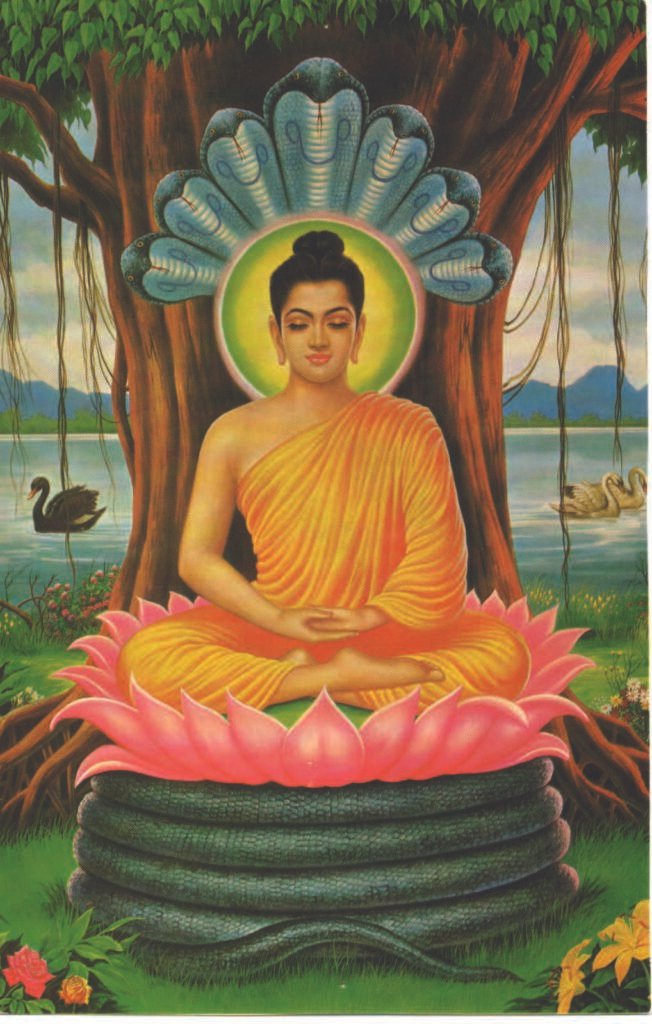
Directly informs the installation tree: its bare form keeps the composition minimal and meditative, leaving space for the net to perform time’s passage.
Adds a ritual layer: the stone becomes altar and witness, handprints a silent call.

This photograph is part of a durational performance staged inside the installation Knotting Tree. By sitting quietly beneath the rope-net “canopy,” I consciously reference Samuel Beckett’s Waiting for Godot, where waiting becomes the very content of existence.
Here, the stone bears the traces of my earlier labor (pushing the rock, leaving handprints), and yet the act of sitting suspends all action — it is a paradox of life: we labor and mark the world, yet we are also asked to wait, to pause, to endure the passing of time.
For me, this work explores existentialism not as despair but as attention — to sit and feel time stretching, to notice the dust in the air, the subtle movement of smoke, the sound of my own breathing. It is a refusal to let life be reduced to productivity or spectacle; the waiting itself becomes a form of resistance, a quiet insistence that being present is already meaningful.
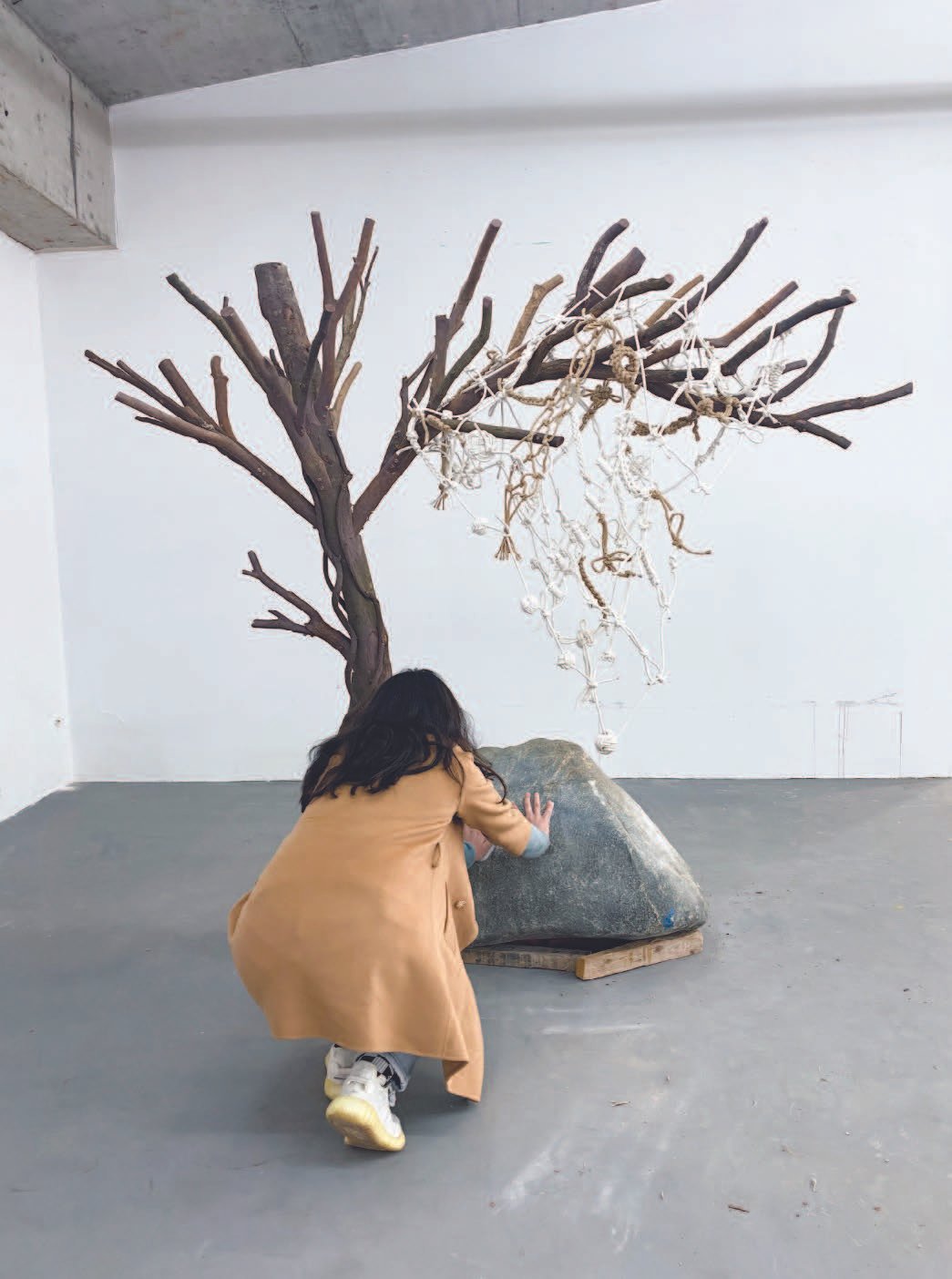
This image captures a moment of Sisyphean effort, echoing the myth of endless labor. The act of pushing the stone was part of the installation’s live component, turning the gallery into a stage. The labor is not productive in the utilitarian sense — the stone does not need to move — but it enacts persistence, futility, and resilience as embodied experience.